⏱️ 60-Second Summary
• Oil prices jumped to $115 per barrel
• Israel struck Iran’s South Pars gas field
• Iran responded with attacks on energy sites
• Shipping routes in the Persian Gulf face risks
• Global markets react to supply concerns
🌍 Middle East Energy Crisis 2026 Intensifies
The Middle East energy crisis 2026 is rapidly escalating as military actions disrupt key oil and gas facilities. Global energy markets reacted immediately, with Brent crude oil rising to $115 per barrel.
This sharp increase reflects growing concerns about supply disruptions. The Middle East remains one of the most important regions for global energy production. Any instability in this area directly affects fuel prices worldwide.
For many countries, this situation leads to higher costs for transportation, electricity, and essential goods.
🔥 What Triggered the Crisis
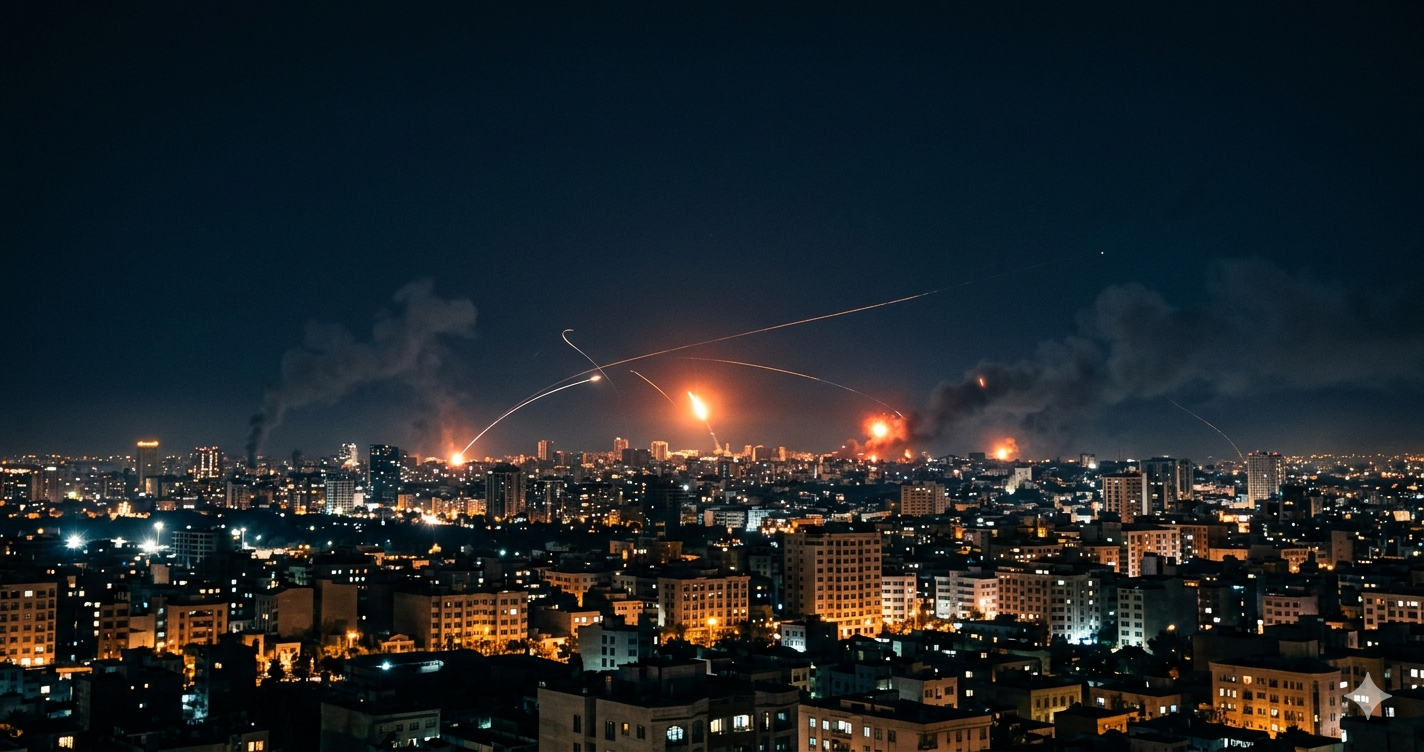
The current phase of the Middle East energy crisis 2026 began with Israeli strikes on Iran’s South Pars gas field. This facility is one of the largest natural gas reserves in the world.
In response, Iran launched retaliatory actions targeting energy infrastructure across the region. Reports confirm that facilities linked to Qatar’s liquefied natural gas operations were affected.
These developments created immediate uncertainty in global markets.
⚠️ Political Tensions Increase
The situation escalated further after statements from Donald Trump, who warned of strong action if attacks continue.
Regional reactions include:
• Saudi Arabia signaling possible military response
• Qatar expelling Iranian officials
• Rising diplomatic tensions across the Gulf
These actions show that the Middle East energy crisis 2026 is expanding beyond a single conflict.
🚢 Shipping Disruptions Add Pressure
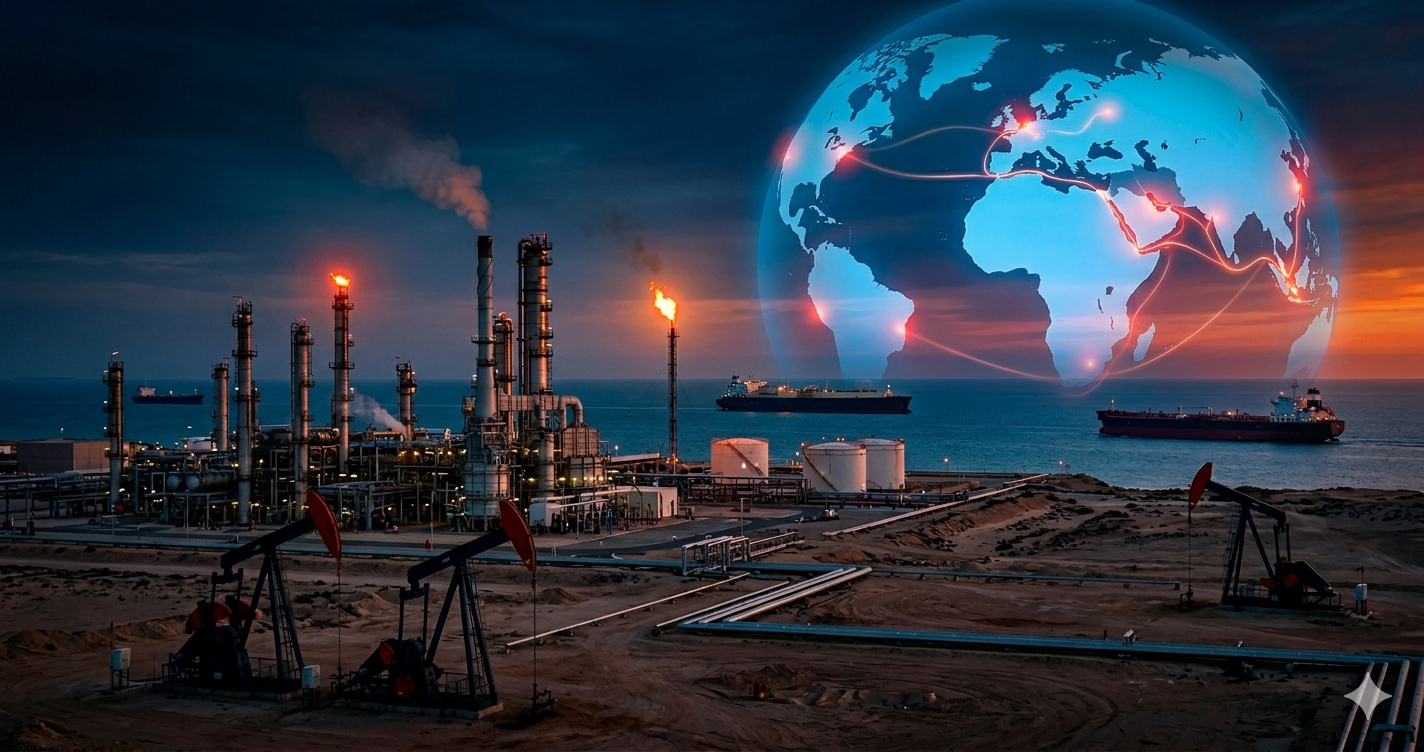
Security threats in the Persian Gulf are increasing concerns about global supply chains.
Two vessels were hit by unknown projectiles, raising fears about the safety of major shipping routes. This region is critical for transporting oil and gas worldwide.
Disruptions here can lead to:
• Delays in supply
• Increased transportation costs
• Higher global fuel prices
📊 Why Oil Prices Are Rising
The Middle East energy crisis 2026 is driving prices up due to several factors:
1. Supply Uncertainty
Attacks on energy facilities create fear of reduced production.
2. Risk of Wider Conflict
Markets react quickly to potential escalation.
3. Strategic Importance
The region supplies a large share of global energy.
4. Transport Risks
Shipping disruptions affect supply chains.
🌐 Global Impact of the Crisis
The Middle East energy crisis 2026 is affecting people worldwide.
🚗 Fuel Prices
Petrol and diesel costs are expected to rise.
⚡ Electricity Costs
Countries relying on gas may see higher energy bills.
🛒 Cost of Living
Transport costs increase the price of goods.
📉 Economic Pressure
Businesses face higher operational expenses.
🇱🇰 Impact on Sri Lanka and Similar Economies
Countries like Sri Lanka are especially vulnerable to the Middle East energy crisis 2026.
Key impacts include:
• Increased fuel import costs
• Pressure on foreign reserves
• Possible fuel price revisions
• Higher inflation
This highlights the importance of managing energy resources carefully.
🔮 What Happens Next
Experts are watching the situation closely. Possible outcomes include:
De-escalation
Diplomatic efforts could stabilize markets.
Continued Conflict
Ongoing tensions may push prices higher.
Regional Expansion
More countries could become involved.
Market Adjustment
Alternative supply routes may reduce pressure over time.
📌 Key Takeaways
• The Middle East energy crisis 2026 is driving oil prices higher
• Energy infrastructure attacks are increasing risk
• Shipping routes are under threat
• Global economies are affected
• Fuel and living costs may rise
🌟 Final Insight
The Middle East energy crisis 2026 shows how quickly global conditions can change. Energy markets, politics, and daily life are closely connected.