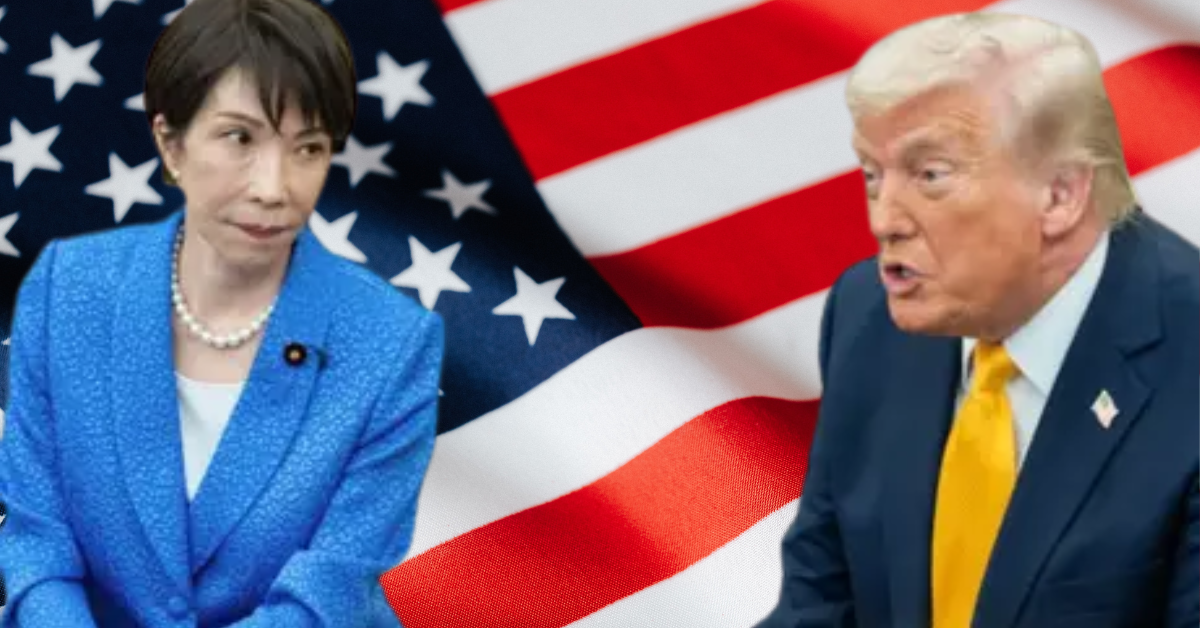
A recent meeting between former US President Donald Trump and Japan’s Prime Minister Sanae Takaichi has drawn global attention. The reason is not policy. It is a single comment that touched a sensitive moment in history.
During the discussion, Trump referenced the Attack on Pearl Harbor. His remark surprised many, including the Japanese delegation. The reaction has raised questions about diplomacy, historical memory, and how leaders communicate during tense global situations.
This article explains what happened, why it matters, and what it means for the future of US–Japan relations.
What happened during the meeting
The meeting took place at the White House during Prime Minister Takaichi’s official visit to the United States. The discussion focused on global security, including tensions involving Iran.
A journalist asked why the US had not informed allies before carrying out a strike on Iran in late February.
Trump responded with an unexpected historical reference. He said that Japan understood surprise attacks better than anyone, referring to the events of Pearl Harbor in 1941.
The room reacted with mixed emotions. Some people laughed. Others appeared uncomfortable.
Prime Minister Takaichi’s reaction was noticeable. Observers described her as surprised and uneasy. She paused, adjusted her posture, and remained silent for a moment before continuing.
Why the Pearl Harbor reference is sensitive
The Attack on Pearl Harbor is one of the most important events in modern history.
On 7 December 1941, Japanese forces launched a surprise attack on a US naval base in Hawaii. More than 2,300 American military personnel and dozens of civilians were killed. The attack led the United States to enter World War Two.
The consequences were far-reaching. The war ended in 1945 after the United States dropped atomic bombs on Hiroshima and Nagasaki. Hundreds of thousands of people lost their lives.
Because of this history, references to Pearl Harbor carry deep emotional weight in both countries.
For Japan, it represents a past that many leaders approach carefully. For the United States, it remains a defining moment of national memory.
The reaction from Japan
The response from Japanese observers shows why the remark mattered.
Journalist Mineko Tokito, who was present in the room, said the prime minister’s discomfort was clear. She noted that Takaichi’s expression changed immediately after the comment.
Others in Japan shared similar views.
- A Japanese engineer described the situation as difficult for the prime minister
- A retired citizen said the remark created unease because of its historical context
- Some observers praised Takaichi for maintaining composure
These reactions highlight how sensitive historical references can affect diplomatic conversations.
Even a short comment can carry deep meaning when it connects to national history.
A relationship shaped by conflict and reconciliation
The relationship between the United States and Japan has changed significantly over time.
After World War Two, the two countries moved from conflict to cooperation. Since 1952, they have built a strong alliance based on trade, security, and shared interests.
Leaders from both countries have worked to promote reconciliation.
In 2016, former Japanese Prime Minister Shinzo Abe visited Pearl Harbor. He offered condolences to the victims and emphasized peace.
In the same year, former US President Barack Obama visited Hiroshima. He spoke about the importance of moving beyond past conflicts.
These visits showed a clear approach. Focus on respect. Avoid language that could reopen old wounds.
This is why Trump’s remark stands out. It contrasts with the careful tone usually used in such meetings.
The current political context
The meeting did not happen in isolation. It took place during a period of global tension.
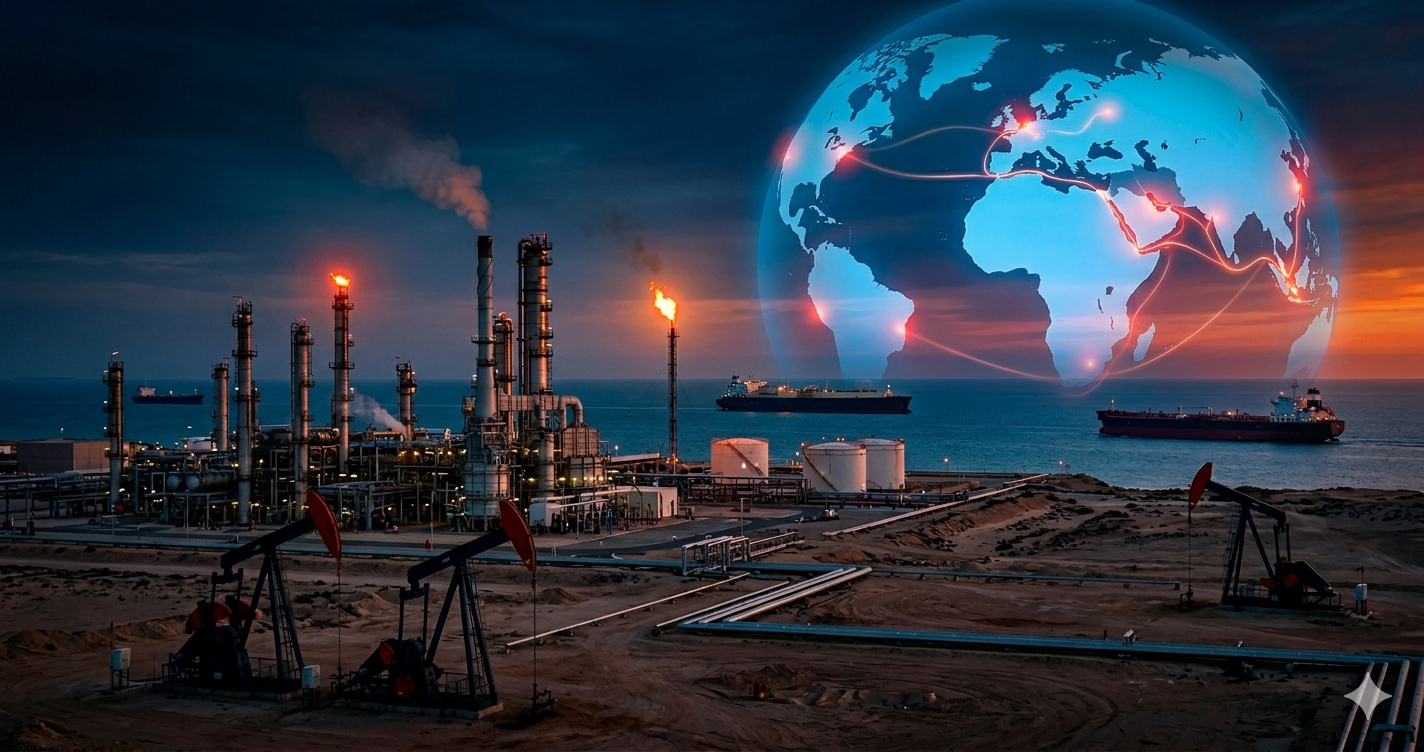
One major issue is the situation involving Iran and the Strait of Hormuz. This region is critical for global oil transport. Around 20 percent of the world’s oil passes through it.
Recent developments have disrupted this route. As a result, oil prices have increased.
Japan depends heavily on imported energy. This makes the situation especially important for its economy.
Before the meeting, Japan had concerns about how to respond to US requests for support. The country must follow its own laws when providing military or logistical assistance.
During the talks, Japan joined other countries in supporting efforts to keep the Strait of Hormuz open. However, details about its role remain limited.
This context adds another layer to the meeting. It was not only about history. It was also about current global challenges.
Diplomacy and the power of words
Diplomatic meetings require careful communication. Every word matters.
When leaders speak, they represent their countries. Their statements can influence public opinion, international relations, and future cooperation.
Trump’s comment shows how quickly a conversation can shift.
Instead of focusing only on current policy, the discussion moved to historical memory. This created an unexpected moment that required careful handling.
Prime Minister Takaichi’s response reflects the importance of restraint in diplomacy.
She did not react strongly. She did not escalate the situation. She maintained composure and continued the discussion.
This approach helped prevent the moment from becoming a larger issue.
How cultural differences play a role
Cultural expectations influence how people respond in diplomatic settings.
In Japan, communication often emphasizes respect, subtlety, and emotional control. Public reactions are usually measured.
In contrast, US political communication can be more direct and informal.
These differences can lead to misunderstandings.
A comment that seems casual in one culture may feel serious in another. This is especially true when history is involved.
Understanding these differences is important for maintaining strong international relationships.
Media coverage and public perception
The moment quickly gained attention in global media.
News outlets highlighted:
- The unexpected nature of the comment
- The visible reaction of the Japanese prime minister
- The historical context behind the remark
Public discussions focused on whether the comment was appropriate.
Some people saw it as a casual remark. Others viewed it as insensitive.
Media coverage plays a key role in shaping how such events are understood. It can amplify reactions and influence how leaders are perceived.
What this means for US–Japan relations
Despite the moment of tension, the overall relationship between the United States and Japan remains strong.
Both countries continue to cooperate on:
- Trade and economic policy
- Regional security
- Global challenges
During the meeting, Trump described Japan as a friend. He also acknowledged its efforts in addressing current issues.
Prime Minister Takaichi confirmed that discussions included practical steps Japan could take within its legal framework.
These points show that the core relationship remains stable.
However, the incident highlights an important lesson.
Diplomatic relationships are not only built on policy. They are also shaped by communication, respect, and awareness of history.
Lessons you can take from this event
This situation offers insights that apply beyond politics.
1. Words carry weight
A single sentence can change the tone of a conversation. Think carefully before speaking, especially in sensitive situations.
2. History matters
Past events continue to influence present relationships. Understanding history helps you communicate more effectively.
3. Stay composed under pressure
Prime Minister Takaichi’s response shows the value of calm behavior. Staying composed can prevent conflict from escalating.
4. Respect cultural differences
Different cultures communicate in different ways. Being aware of this can improve understanding.
5. Focus on long-term relationships
Strong relationships can withstand difficult moments when both sides remain committed to cooperation.
A moment that reflects a larger reality
The meeting between Donald Trump and Sanae Takaichi will be remembered for one unexpected comment.
Yet it also reflects a larger reality.
International relationships are complex. They involve history, culture, politics, and human interaction.
Even in a world shaped by strategy and policy, simple human moments still matter.
A reaction, a pause, or a single sentence can reveal how much history continues to shape the present.
For readers, this story offers a clear reminder. Communication is not only about what you say. It is also about how it is heard.
And in global diplomacy, that difference can matter more than anything else.