New measures aim to reduce fuel use as global oil supply faces disruption
Updated: March 2026
⏱️ 60-Second Summary
• Sri Lanka introduces a four-day work week to conserve fuel
• Public institutions close on Wednesdays except essential services
• Fuel rationing system continues with strict limits
• Asian countries adopt similar energy-saving measures
• Rising oil prices linked to tensions affecting global supply
🌍 Sri Lanka Takes Action to Conserve Fuel
Sri Lanka has announced a new measure to reduce fuel consumption by declaring Wednesdays as a holiday for public institutions. The decision comes as the country faces possible fuel shortages linked to disruptions in global oil supply.
President Anura Kumara Dissanayake addressed the situation during an emergency meeting. He warned that the country must prepare for difficult conditions while hoping for stability in the coming weeks.
The move reflects growing concern across Asia, where many countries depend heavily on imported fuel.
⛽ Why Sri Lanka Introduced a Four-Day Week
The main goal of this policy is simple. Reduce fuel usage and manage limited resources effectively.
Closing government offices one extra day each week helps to:
• Cut down daily commuting
• Reduce fuel consumption in transport
• Lower electricity usage in offices
Authorities selected Wednesday instead of Friday to avoid a three-day continuous closure of government services.
Essential services will continue to operate. These include:
• Hospitals
• Immigration offices
• Emergency services
🚗 Fuel Rationing Continues
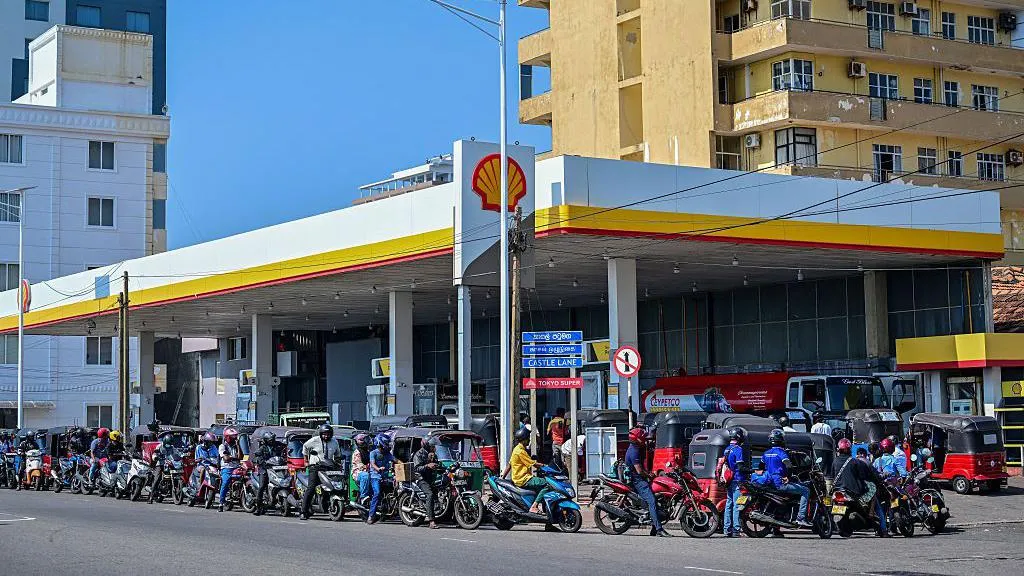
Sri Lanka is also continuing its fuel rationing system through the National Fuel Pass.
Current limits include:
• 15 litres for private cars
• 5 litres for motorcycles
This system helps control demand and ensure fair distribution. However, some citizens have expressed concern that the quotas are not sufficient for daily needs.
The rationing method was first introduced during the 2022 economic crisis, when the country faced severe shortages due to a lack of foreign reserves.
🌐 What Is Happening Globally
The situation in Sri Lanka is part of a larger issue affecting many countries in Asia.
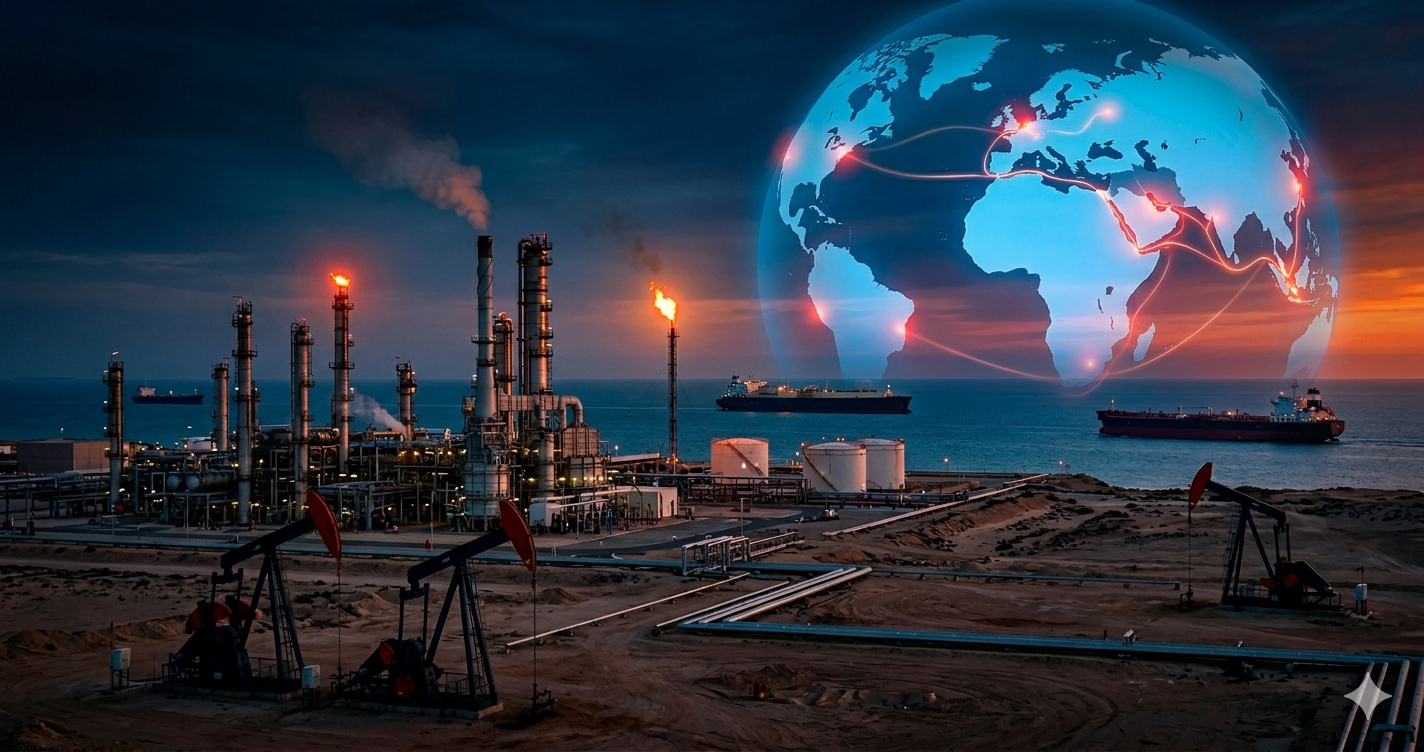
A key factor is the disruption of oil supply routes, especially around the Strait of Hormuz. This route is one of the most important channels for transporting oil from the Middle East to Asia.
Nearly 90 percent of oil and gas moving through this route is used by Asian countries. Any disruption creates immediate pressure on supply and prices.
Oil prices have already increased to around $100 per barrel, creating additional challenges for importing nations.
🌏 How Other Asian Countries Are Responding
Several countries in Asia have introduced their own measures to manage fuel and energy consumption.
🇹🇭 Thailand
Authorities encourage people to wear lighter clothing at work. This reduces the need for air conditioning and saves electricity.
🇲🇲 Myanmar
Private vehicles can only operate on alternate days based on license plate numbers. This reduces fuel usage on roads.
🇧🇩 Bangladesh
Universities have adjusted holiday schedules. The government has also introduced planned power cuts to conserve energy.
🇵🇭 Philippines
Government staff are required to work from home at least one day per week. President Ferdinand Marcos Jr has also limited non-essential travel.
Financial assistance has been provided to:
• Farmers
• Fishermen
• Tricycle drivers
Payments range between 3,000 and 5,000 pesos to help manage rising fuel costs.
🇻🇳 Vietnam
Citizens are encouraged to:
• Use public transport
• Share vehicles
• Ride bicycles
• Reduce unnecessary travel
These steps aim to reduce overall fuel demand.
📊 Why Fuel Prices Are Rising
Fuel prices are increasing due to several connected factors:
1. Supply Disruptions
Conflicts affecting oil-producing regions reduce available supply.
2. Transport Risks
Shipping routes face security risks, which slows down delivery.
3. High Demand
Asia remains the largest energy-consuming region.
4. Market Reactions
Traders raise prices when uncertainty increases.
These factors combined create upward pressure on global fuel prices.
🇱🇰 Impact on Daily Life in Sri Lanka
The new measures will affect everyday routines.
🚗 Travel
People may need to plan journeys carefully due to limited fuel.
🏢 Work
Government employees will adjust to a four-day work week.
🎓 Education
Schools and universities will also follow the new schedule.
🛒 Cost of Living
Transport costs may rise, affecting the price of goods.
🧠 What You Should Do
You can manage the situation better by following simple steps:
• Plan travel in advance
• Use public transport where possible
• Combine trips to save fuel
• Avoid unnecessary travel
These actions help reduce personal fuel usage and support national efforts.
🔮 What Could Happen Next
The situation depends on global developments. Possible outcomes include:
• Stabilization if supply routes improve
• Continued restrictions if shortages increase
• Further policy changes by governments
Authorities will continue to monitor conditions and adjust measures as needed.
📌 Key Takeaways
• Sri Lanka has introduced a four-day week to conserve fuel
• Fuel rationing remains in place with strict limits
• Asian countries are adopting similar strategies
• Global supply disruptions are driving price increases
• Daily life may be affected by higher costs and restrictions
🌟 Final Insight
Sri Lanka’s decision shows how global energy issues can directly affect national policies and everyday life. When supply becomes uncertain, countries must act quickly to manage resources.
Understanding these changes helps you prepare and adapt to new conditions.
👉 Stay with LatestVoice for clear, practical news that helps you understand what matters most to you.